Chronic Lymphocytic Leukemia (CLL) Trials
Explore how clinical research is advancing treatment and discover studies that may be a match for your diagnosis and treatment history.

What are Chronic Lymphocytic Leukemia trials?
CLL trials are research studies evaluating new therapies for people living with Chronic lymphocytic leukemia (CLL). These studies help identify which treatments work best, who benefits most, and how they improve survival and quality of life.
Some trials focus on newly diagnosed disease, while others are designed for relapsed or refractory CLL. Eligibility often depends on biomarkers, prior therapies, disease progression, blood counts, and molecular features such as TP53 abnormalities or IGHV mutation status.
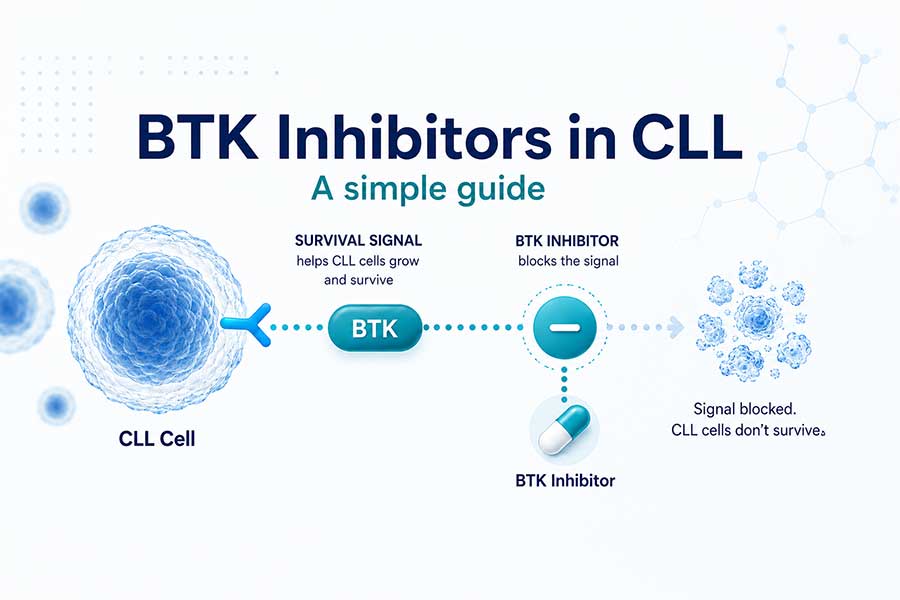
Current studies investigate BTK inhibitors, BCL-2 inhibitors, CAR-T therapy, monoclonal antibodies, bispecific antibodies, and next-generation targeted treatments.
CancerBot helps patients and clinicians find chronic lymphocytic leukemia clinical trials they are actually eligible for using AI-powered matching. Instead of manually searching through hundreds of studies, CancerBot analyzes eligibility criteria and provides personalized trial matches in minutes.

Understanding Chronic Lymphocytic Leukemia (CLL)
Chronic lymphocytic leukemia is a slow-growing blood cancer that affects B lymphocytes, a type of white blood cell involved in immune function. Over time, abnormal lymphocytes accumulate in the blood, bone marrow, lymph nodes, and spleen.
CLL is the most common leukemia in adults. Some people live for years without requiring treatment, while others develop progressive disease that needs therapy soon after diagnosis.
Types and risk categories in CLL
CLL may be categorized based on disease behavior and molecular features:
Indolent CLL: Slow-growing disease that may remain stable for years without requiring immediate treatment. Many patients are monitored through active surveillance (“watch and wait”) until progression occurs.
Active CLL requiring treatment (according to iwCLL criteria): Disease associated with symptoms, progressive lymph node enlargement, worsening blood counts, rapidly increasing lymphocyte levels, or organ involvement that meets the International Workshop on Chronic Lymphocytic Leukemia (iwCLL) criteria for initiating therapy.
Relapsed/refractory CLL: Disease returning after treatment or resistant to therapy
High-risk CLL: Associated with TP53 abnormalities, del(17p), or unmutated IGHV
BTK inhibitor–exposed or refractory disease
Understanding disease biology is critical for selecting appropriate therapies and clinical trial opportunities.
How diagnosis works
Diagnosis typically involves:
Complete Blood Count (CBC): increased lymphocyte count, anemia or low platelet levels.
Flow Cytometry: Analyzes proteins on the surface of blood cells to identify abnormal B lymphocytes characteristic of CLL.
Blood Smear Examination to examine blood cells for abnormal-appearing lymphocytes and “smudge cells,” which are commonly seen in CLL.
Imaging Studies (CT or PET scans) to evaluate enlarged lymph nodes, spleen, or organ involvement and to assess disease burden
Genetic and cytogenetic testing: Identifies genetic abnormalities associated with prognosis and treatment response.
These findings help determine prognosis and guide treatment selection.
Common symptoms
Symptoms vary widely between individuals. Common signs may include:
Enlarged lymph nodes
Fatigue or weakness
Frequent infections
Night sweats
Fever
Unexplained weight loss
Easy bruising or bleeding
Enlarged spleen
Some people may not experience symptoms at all, which is why routine screening is so important.
Treatment options
Patients with indolent CLL may not require immediate therapy and are often managed with active surveillance (“watch and wait”).
In contrast, patients with active CLL requiring treatment by iwCLL criteria may need therapy because of progressive disease, symptoms, worsening blood counts, or organ involvement.
Common treatment approaches include:
BTK inhibitors
BCL-2 inhibitors
Monoclonal antibodies
Combination targeted therapies
CAR-T cell therapy
Stem cell transplant (rarely used)
Clinical trials offer access to the newest therapies not yet available as standard care.
Chronic Lymphocytic Leukemia clinical trials available now
Current CLL trials are evaluating:
Next-generation BTK inhibitors
Non-covalent BTK inhibitors
CAR-T cell therapies
Bispecific antibodies
Combination targeted regimens
Time-limited treatment strategies
Novel therapies for TP53-abnormal or high-risk disease
Some studies focus on patients with indolent CLL, while others are designed for individuals with active CLL requiring treatment according to iwCLL criteria, relapsed disease, or treatment-resistant leukemia.
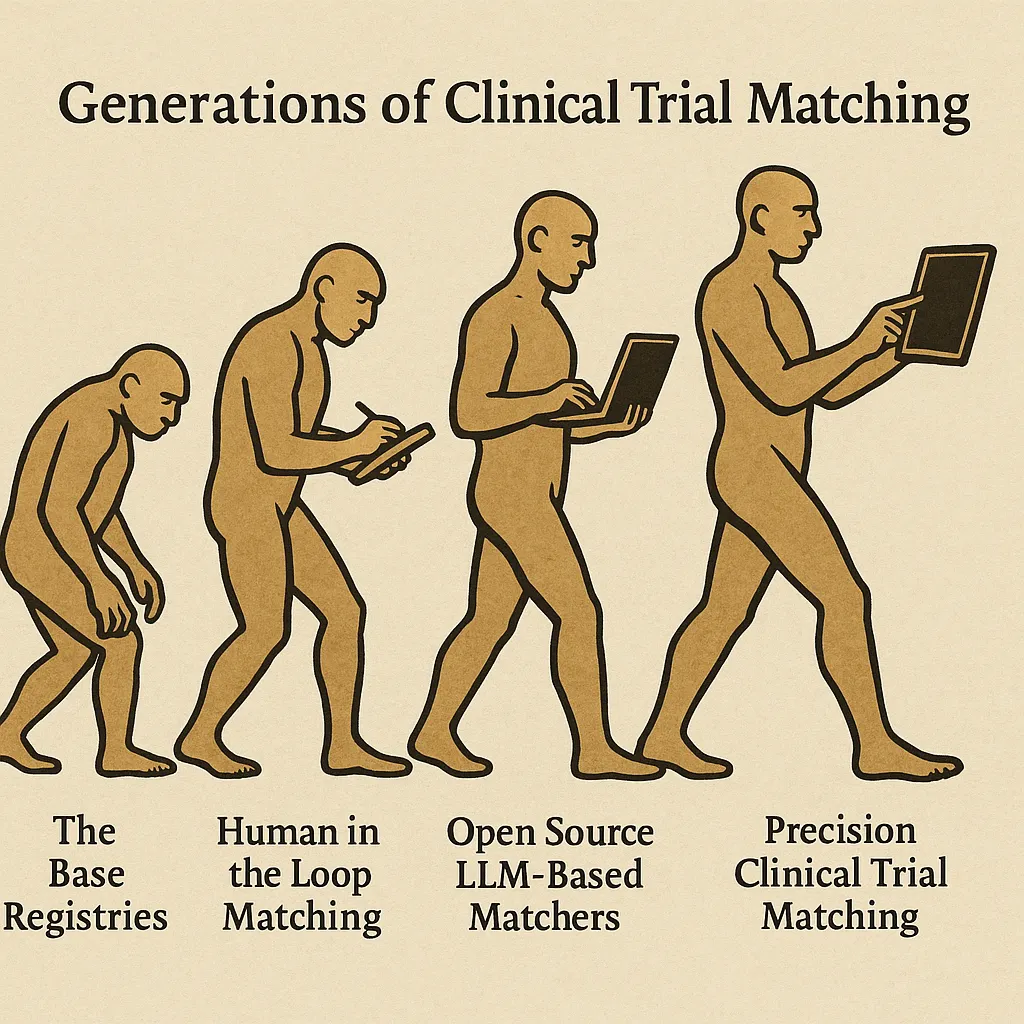
Because eligibility criteria vary significantly between studies, precision matching improves access and reduces missed opportunities.

Blog
Related research and insights


Start your Al-powered clinical trial search
New treatment options could be just a click away. Start a chat with CancerBot matched with clinical trials tailored to you-quickly, easily, and at no cost.
Frequently asked questions
Everything else you need to know.
Does it cost money to join a clinical trial?
Trial drugs and study procedures are usually free. Standard care is billed normally.
Who qualifies for Chronic Lymphocytic Leukemia trials?
Eligibility depends on disease stage, prior therapies, biomarkers, blood counts, organ function, and overall health. Each trial defines specific inclusion and exclusion criteria.
Are CLL trials only for advanced or relapsed disease?
No. Some trials focus on newly diagnosed, while others are designed for relapsed or refractory cases.
Are BTK inhibitors and CAR-T therapies available through clinical trials?
Yes. Many chronic lymphocytic leukemia trials evaluate next-generation BTK inhibitors, CAR-T therapy, bispecific antibodies, and targeted treatment combinations.